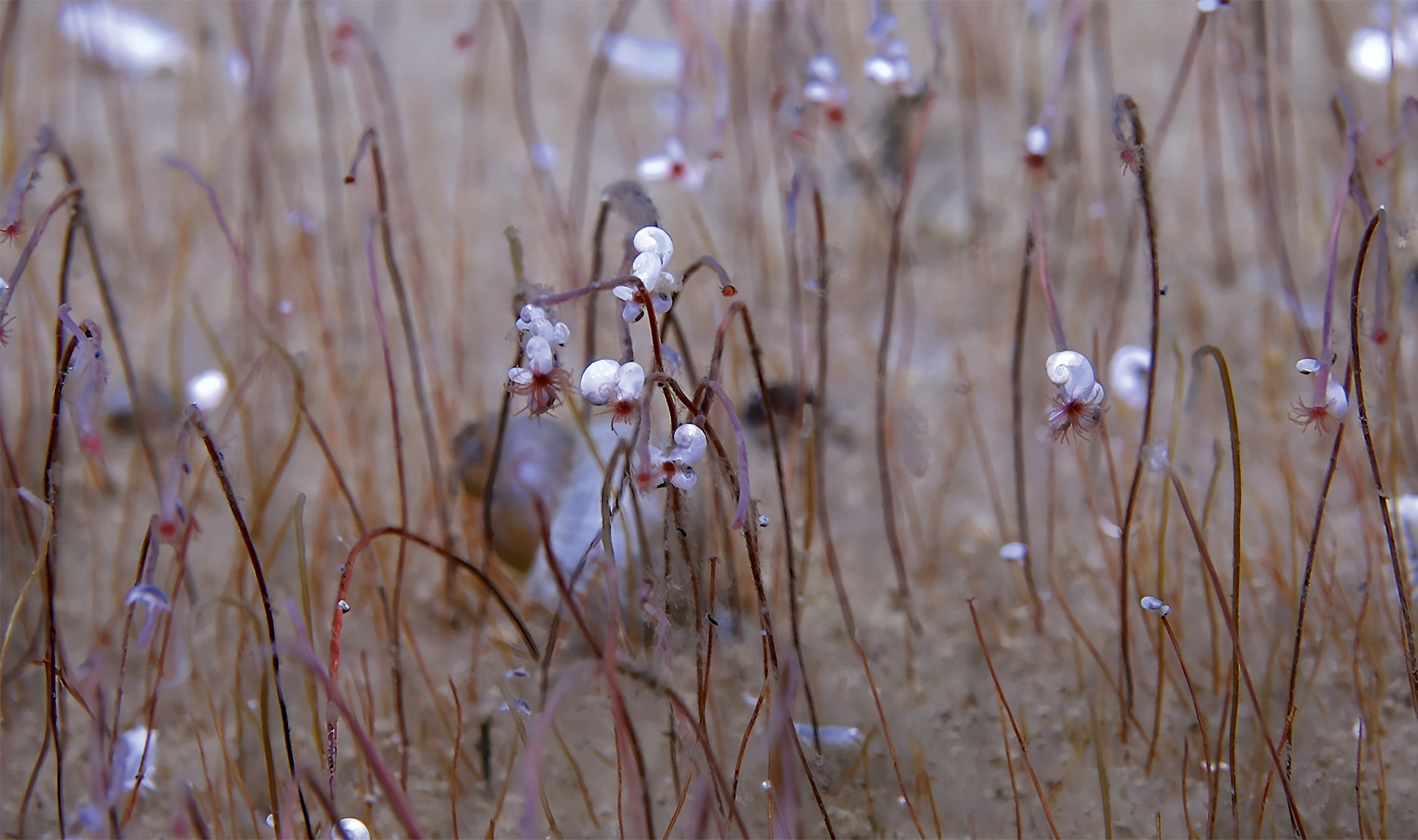
Through extreme deep dives by the manned submersible Fendouzhe, researchers have discovered a thriving ecosystem in the Kuril-Kamchatka and Aleutian Trenches of the Northwest Pacific. Located at abyssal depths of 5,800 to 9,533 meters, this ecosystem represents the deepest-known chemosynthetic community on Earth. This massive seabed ecosystem stretches for over 2,500 kilometers across the seafloor. Instead of relying on sunlight for energy, these lives harnesses chemical reactions from geological fluids to obtain the energy necessary for metabolism. These communities are dominated by frenulate siboglinids and vesicomyid bivalves, which sustain themselves by relying on fluids rich in hydrogen sulfide and methane that seep upward along geological faults. The research further reveals the existence of a previously unknown, massive methane reservoir and a methanogenic biosphere in the deep hadal sedimentary layers.
This groundbreaking discovery offers a new perspective for understanding the complex mechanisms of hadal ecosystems. It also greatly expands our understanding of the limits of life and challenges the traditional scientific view that “deep-sea life primarily derives energy from sinking organic matter from the upper ocean”. The findings also confirm that chemosynthetic ecosystems in hadal trenches are far more complex and active than previously imagined.
Main contributors: Global Trench Exploration and Dive Programme (Global TREnD) Team
Main supporting institution: Institute of Deep-sea Science and Engineering, CAS