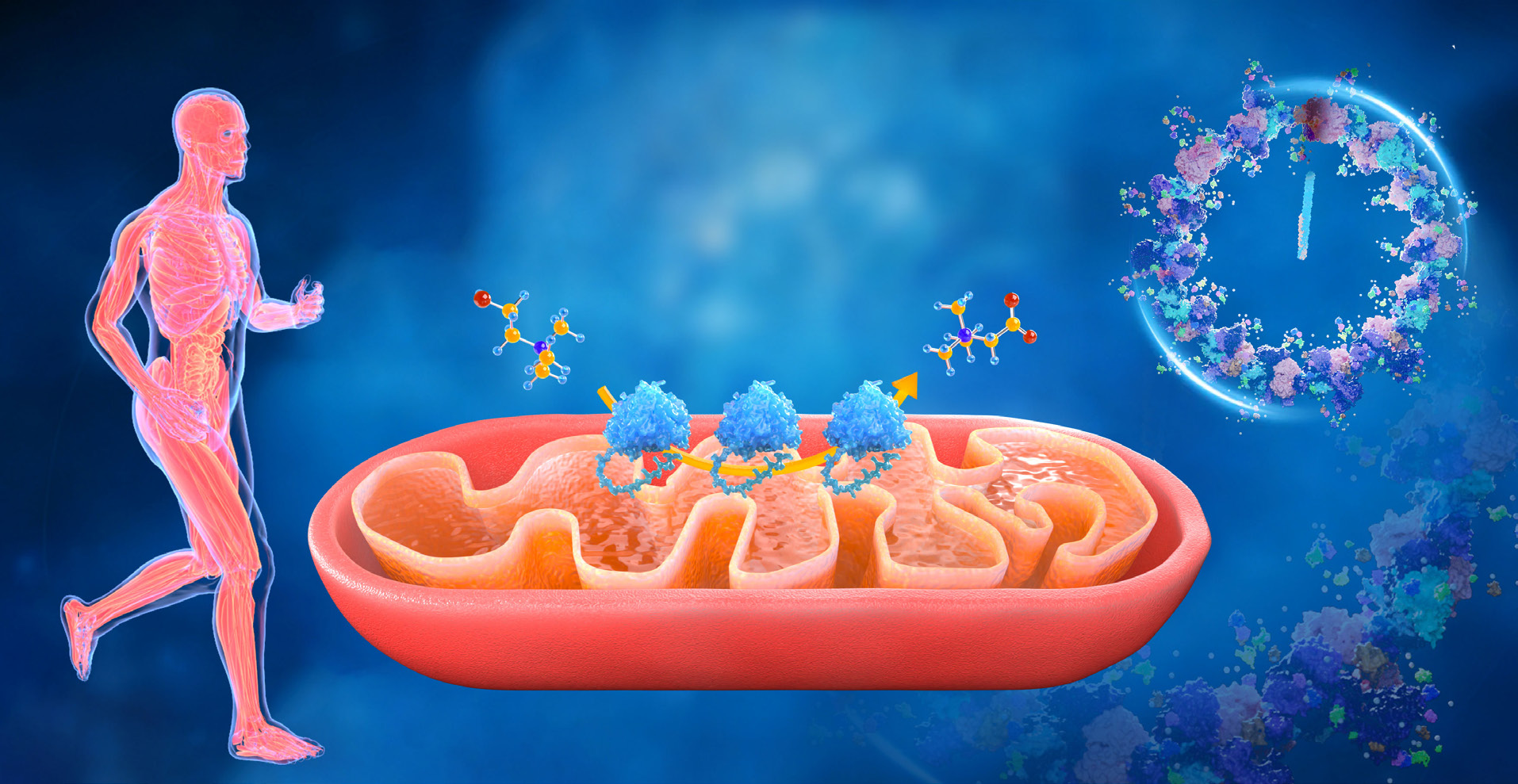
Unraveling the molecular mechanisms of organ aging and establishing systematic intervention strategies represent a core challenge in aging biology and translational medicine. This research has transcended the limitations of single-dimensional studies. By integrating the three dimensions of proteostasis, metabolic regulation, and stem cell function, the team systematically elucidated the spatiotemporal dynamics and molecular drivers of multi-organ aging in humans.
This research mapped the aging trajectory and characteristics across a 50-year human lifespan, revealing that amyloid beta accumulation and inflammatory stress serve as core driving mechanisms of organ aging. Subsequently, they identified the kidney-derived endogenous metabolite betaine as a natural inhibitor of the pro-inflammatory kinase TBK1, which mimics the anti-inflammatory effects of exercise at the molecular level, thereby providing a candidate molecule with a defined target for delaying aging. Addressing the core issue of stem cell exhaustion, this research engineered stem cells to promote nuclear retention of the longevity factor FOXO3 using synthetic biology. In aged non-human primate models, these cells improved multi-tissue aging markers, suppressed chronic inflammation, and exhibited the potential to reverse aging-related decline in cognitive and reproductive functions.
This research forms a closed-loop research paradigm, from mechanism elucidation to target discovery and intervention validation, deepening the understanding of the nature of inflammaging and opening a new research avenue for the precise intervention of aging-related diseases.
Main contributors: LIU Guanghui, WANG Si, ZHANG Weiqi, QU Jing, SONG Moshi, YANG Jiayin
Main supporting institutions: Institute of Zoology, CAS; Xuanwu Hospital, Capital Medical University; China National Center for Bioinformation and Beijing Institute of Genomics, CAS; West China Hospital of Sichuan University